
TL;DR
Your telephony's built-in AI is often enough when the main user is the agent who handled the call. You need a dedicated analytics layer when managers, compliance or leadership ask questions across thousands of calls, months of history, several channels or your own compliance rules. On Aircall, recordings are available in the dashboard for 6 months, while a year-on-year comparison needs 13 months. And 48.2% of companies on cloud contact-centre platforms were changing, planning or considering a new provider (sponsored study, method not published). This guide covers what platforms now include, four questions built-in AI is not designed to answer, a decision guide and what a layer means in practice.
Most cloud telephony platforms now include AI: transcripts, call summaries, sentiment, topics. If you already pay for it, why add anything? Often you shouldn't. Built-in AI is very good at helping the person who handled the call. It is less suited to answering questions that span thousands of calls, months of history, several channels or your own compliance rules.
This guide sets out where the line falls, with the data behind it.
Key figures
| Figure | Value | Source |
|---|---|---|
| Contact-centre leaders who rate AI and automation as important / are satisfied with it | 80% / 41% | Verint survey, 2023 (vendor-sponsored) |
| Leaders who rate easy third-party integration as important / are satisfied | 82% / 46% | Verint, 2023 |
| Companies changing, planning or considering a new cloud contact-centre provider | 48.2% | Metrigy via CX Today, 2024 (sponsored) |
| Organisations saying multiple platforms hurt their ability to handle communication issues | 52% | NETSCOUT, 2022 (vendor, North America) |
| Call recordings available in the Aircall dashboard, all plans | 6 months | Aircall pricing and support pages, Oct 2026 |
1. What telephony platforms now include
Based on the vendors' own pages (October 2026):
| Platform | AI features described | Notes |
|---|---|---|
| Aircall | AI transcripts; call summaries, sentiment and key topics on higher plans; AI Assist add-ons | Recordings visible in the dashboard for 6 months; longer retention on request depending on plan (support article) |
| Vonage Contact Center | Conversation Analyzer: transcription, sentiment, auto-categorisation, generative summaries, compliance alerts, redaction | Paid add-on; insights pushed to the CRM |
| RingCentral | AI Conversation Expert: summaries and transcripts of calls, meetings and emails | Built natively on the RingCentral platform |
| Microsoft Teams Phone | Copilot in Teams Phone: call recaps | Requires a Copilot licence; calls must be transcribed or recorded |
These are real capabilities, and for many teams they cover the basics: the agent gets a summary, the supervisor sees sentiment on individual calls.
2. Where satisfaction stops
Contact-centre leaders want AI, and most are not yet satisfied with what they have. In a Verint survey of 300 leaders in the US, UK and Australia, 80% rated AI and automation features as important but only 41% were satisfied; 82% rated easy third-party integration as important, 46% were satisfied. The survey is vendor-sponsored and does not compare built-in and specialist tools directly, but the gap is large.
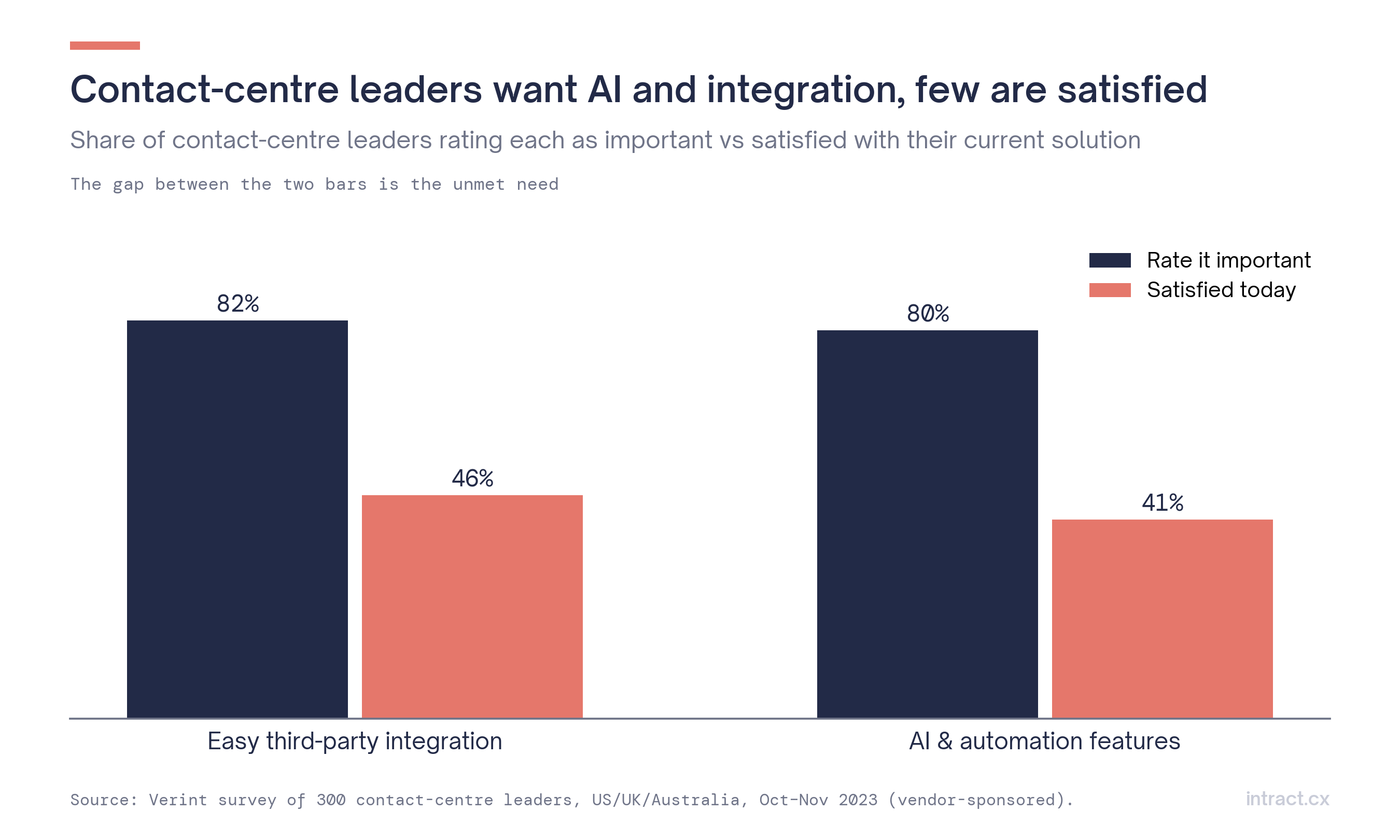 Figure 1. Contact-centre leaders: importance vs satisfaction, AI and integration.
3. Four questions built-in AI is not designed to answer
a. "What changed this year compared with last year?"
Analysis needs history. A quarter-on-quarter trend needs 6 months; a same-month year-on-year comparison needs 13; seasonality needs two years. On Aircall, recordings are available in the dashboard for 6 months on all plans, and older ones require a request to support.
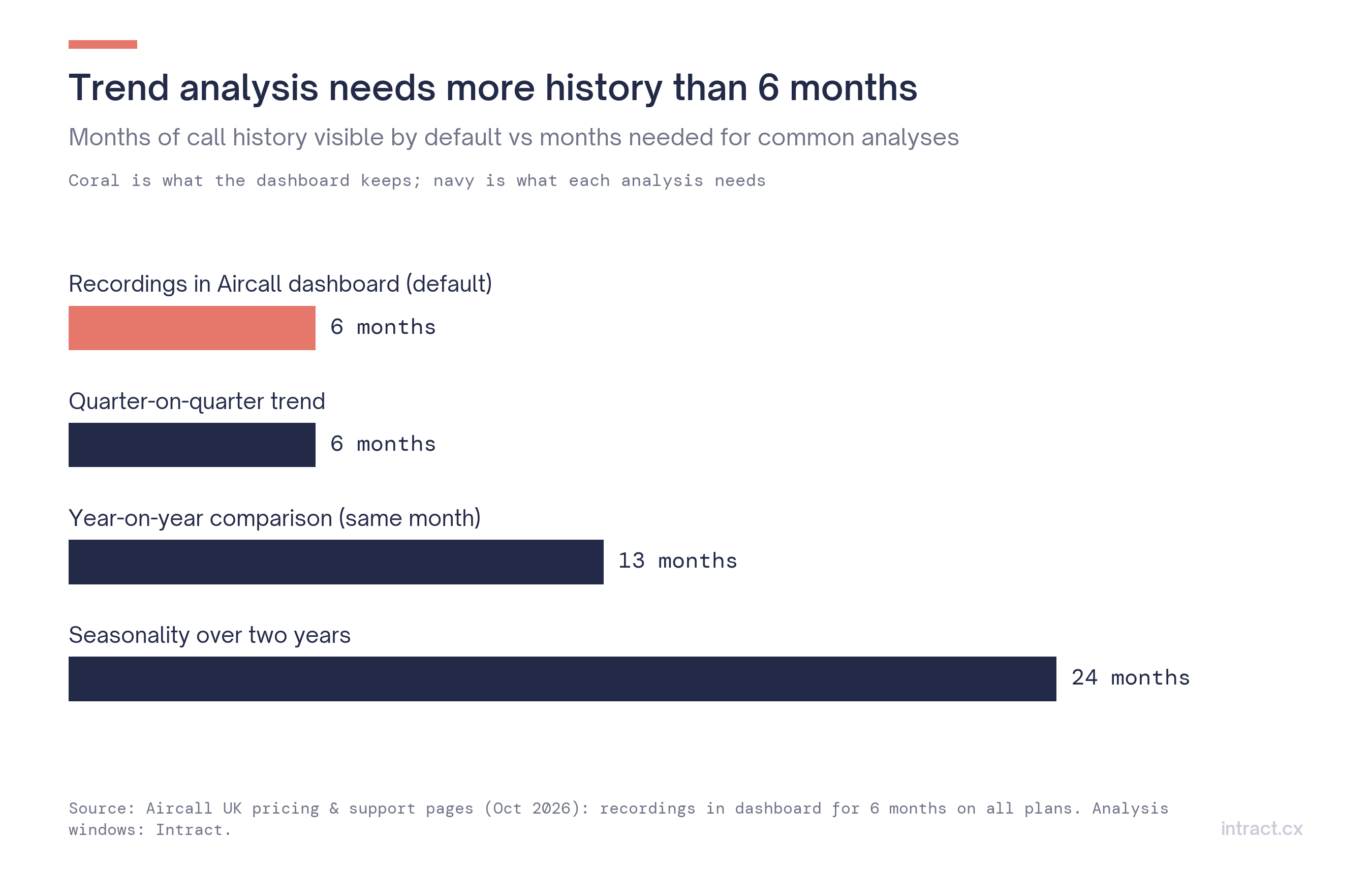 Figure 2. Default dashboard history vs history needed for common analyses.
b. "What happens when we change provider?"
Telephony contracts end. A Metrigy study reported by CX Today found that 48.2% of companies on cloud contact-centre platforms were changing, planning to change or considering a new provider for 2024 (sponsored article, method not published). If your analytics live inside the telephony, your history, categories and dashboards move, or vanish, with it.
c. "What are customers saying across all channels?"
Telephony AI sees calls. Customers also write: chat, email, WhatsApp. NETSCOUT's survey of large North American firms found that over a third support 5–9 communication and collaboration tools, 15% ten or more, and 52% say multiple platforms hurt their ability to handle communication issues.
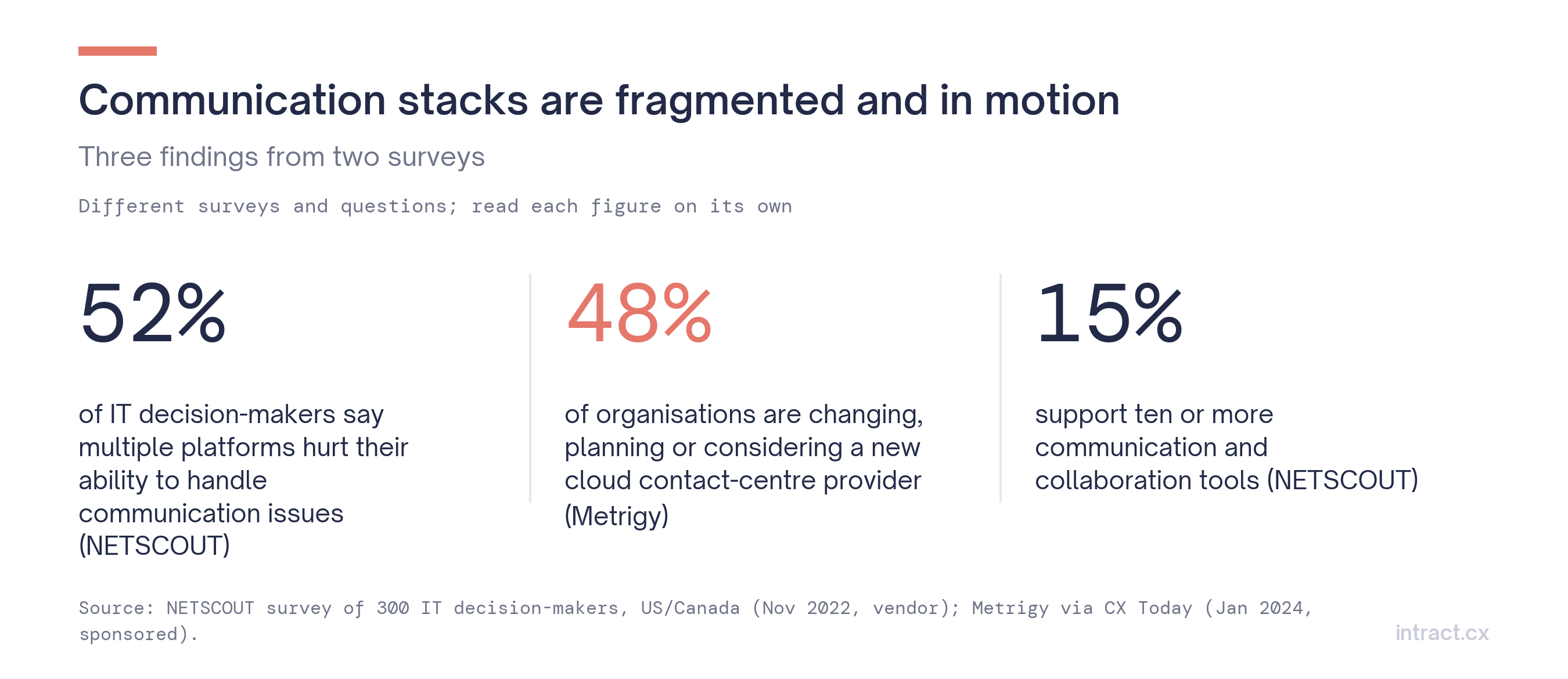 Figure 3. Communication stacks are fragmented and in motion (separate surveys).
d. "Did every sales call follow our script?"
Generic summaries and sentiment are the same for every customer of the platform. Your compliance grid, your taxonomy of contact reasons and your definition of a complaint are yours. Answering them needs configurable logic, applied to every call, with accuracy you can test.
4. Decision guide
| Your main need | Built-in telephony AI | Dedicated analytics layer |
|---|---|---|
| Help the agent after a call (summary, notes) | ✓ Strong fit | Possible, not the point |
| Sentiment on individual calls | ✓ | ✓ |
| Your own categories and compliance grid on every call | Limited / varies | ✓ Core purpose |
| Trends over 12–24 months | Depends on retention | ✓ |
| Voice + chat + email in one view | Usually voice only | ✓ If it ingests text |
| History survives a telephony change | ✗ | ✓ |
| Several telephony systems (e.g. after a merger) | ✗ | ✓ |
| Reports for leadership, each claim traceable to calls | Limited | ✓ |
| Real-time agent assist during the call | Often ✓ | Depends on the product |
Rule of thumb: if the main user is the agent on the call, start with what your telephony offers. If the main user is a manager, a compliance officer or leadership asking questions across many conversations, you need a layer that sits above the telephony.
5. What "layer" means in practice
A good analytics layer should:
- Connect, not replace. Plug into the telephony you have, in hours, without changing agents' tools.
- Accept every source. Native connectors where they exist, an API for everything else (other telephony, chat, email).
- Own the history. Transcripts and structured results stored independently of the telephony contract.
- Let the business define the logic. Categories, checklists and alerts set up without code, and tested before going live.
- Show its evidence. Every metric and every report statement links back to the conversations behind it.
How Intract fits
Intract is an analytics layer that sits above your telephony. Aircall and Vonage connect natively in hours; any other audio source or text conversation comes in through the API. Each interaction becomes a structured record with its transcript, summary, business impact, sentiment, urgency and churn risk, kept in Intract with audio retention you configure. Your own logic runs as no-code workflows, with accuracy testing before publishing, and feeds dashboards, cited reports and Microsoft Teams alerts.
Built-in AI and Intract are not mutually exclusive: many teams keep the telephony's agent-facing summaries and use Intract for cross-call analysis.
FAQ
We already have Aircall AI. Do we need Intract? If you need agent summaries, probably not for that. If you need your own grids applied to every call, trends beyond the dashboard window, or several channels in one view, that is what a layer adds.
Does Intract keep our Aircall recordings? Intract keeps the transcript and the analysis of every call. For audio sent through the Audio API, you configure how long it is retained.
What happens if we change telephony? Your history, workflows and dashboards stay in Intract. You connect the new source natively or through the API.
Methodology and sources
Vendor capabilities are taken from the vendors' own public pages, accessed October 2026, and may change. Survey figures come from different studies with different samples; several are vendor-sponsored and labelled as such. The analysis windows in Figure 2 are Intract's definitions.
- Aircall, Pricing (UK); Recording retention support article
- Vonage, Conversation Analyzer
- RingCentral, AI Conversation Expert
- Microsoft, Copilot in Teams Phone
- Verint survey via Business Wire (Feb 2024)
- NETSCOUT survey via Business Wire (Jan 2023)
- CX Today, 3 drivers of CCaaS dissatisfaction (Jan 2024, sponsored)